


Memrise: Languages for life
4.466.96K Reviews
App Specs
- Version
- 2026.08.10.0
- Updated On
- License
- Free
- Downloads
- 50,000,000+
- Developer
- Memrise
- Categories
- Education
- Platform
- Android, iOS
Screenshots


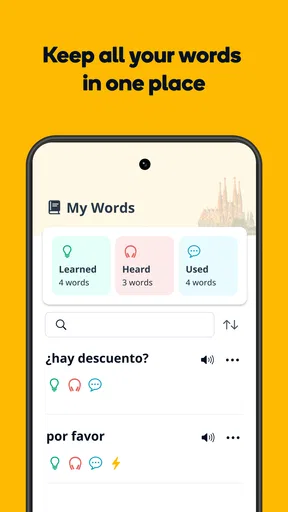
 Analysis by AppCompare
When language learning becomes a household activity, the hard part is often finding a routine everyone can stick with. Memrise: Languages for Life is an education app from Memrise that can make short practice sessions feel approachable, especially for people who want to hear everyday speech as well as study vocabulary. I’d treat it as a personal learning tool rather than a shared family course: it can fit into the same home routine, but each learner should keep their goals and progress distinct.
Getting Started with Memrise
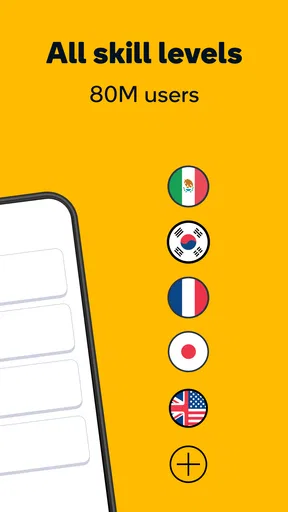
The first thing I noticed upon launching Memrise was its sleek and user-friendly interface. You’re greeted with vibrant visuals and a straightforward setup process. Signing up is a breeze—you can either create a new account or use your existing Google or Facebook credentials. Once you're in, you’re prompted to select the language you want to learn from a pretty impressive list. Whether it's Spanish, French, Japanese, or even more niche languages like Icelandic, Memrise has got you covered.
Separate Learners, Separate Goals
For household use, I would start by deciding who the learner is before anyone begins a course. A parent studying French and a teenager exploring Japanese will get more out of separate accounts and individual routines than by passing one signed-in profile around. A shared tablet can be convenient, but it does not make one person’s learning history a good fit for everyone else. Keep account credentials private, and avoid saving a sign-in on a device that other people use if you do not want them opening your learning space.
This boundary matters even when everyone is learning the same language. People may be at different levels or have different reasons for studying: one person may need travel phrases, while another wants to build a stronger base. Rather than treating a household as a single class, I’d have each learner choose their own starting point and daily rhythm. That keeps practice from turning into a competition over whose progress looks faster.
Learning Methods that Stick
What sets Memrise apart from other language apps is its unique approach to language learning. The app blends traditional learning techniques with fun, interactive elements that make the process engaging. It’s like having a pocket-sized language tutor with a quirky personality. The courses are designed using spaced repetition, which is a scientifically proven method to help you retain information better. So, you're not just cramming words and phrases; you're actually learning them for the long haul.
Memrise makes use of gamification to keep things lively. The more you learn, the more points you earn, which unlocks new levels and achievements. It's like playing a game where your score is based on your linguistic prowess. Pretty cool, right?
In my view, the useful trick is to let repetition guide what you revisit instead of treating every session as a race to finish new material. If a word keeps slipping away, slowing down and returning to it is more practical than chasing a streak or trying to cover too much in one sitting. For a household routine, even a brief turn after breakfast or while waiting for dinner can be easier to maintain than a long lesson everyone has to schedule together.
Worth Reading Before You Choose

Baby Panda World Brings Quick Play to Modern Phones, but Its Game Library Feels Busy

ESPN’s Live Game View Makes Following Close Games Easier

QuizzLand Review: A Good Fit for Short Trivia Breaks, Not Every Player

Basketball Stars: Multiplayer Is Fast, but Can It Recover When Matches Go Wrong?

WEBTOON Turns Phone Updates Into a Better Reading Routine

Link to Windows Runs on Shared Habits, Not Social Feeds
Immersion through Real-World Context
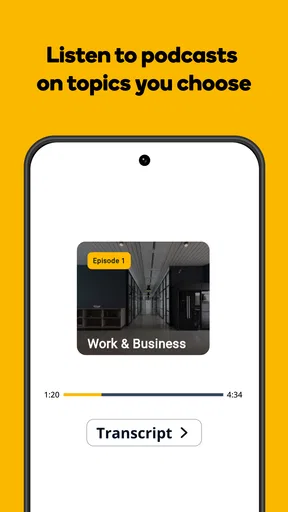
Another standout feature is how Memrise incorporates real-world context into its lessons. The app uses videos of native speakers to teach you how words and phrases are used in everyday conversations. This is incredibly helpful for picking up the nuances of pronunciation and colloquial speech. It feels less like a class and more like you're having a chat with a local.
Moreover, Memrise offers a feature called "Learn with Locals," where you can watch short clips of people speaking in their native tongue. This not only helps with understanding accents and dialects but also gives you a taste of the culture tied to the language.
Those clips are particularly useful when a learner already recognizes a phrase on screen but is unsure how it sounds at natural speed. I’d use them as a listening check, then repeat a short expression aloud and try to notice the rhythm, rather than expect a video to teach every detail of grammar. That makes the feature a good companion to a class or textbook, while leaving room for more structured explanations elsewhere.
A Routine That Fits Real Life
One of the things I absolutely love about Memrise is how customizable the learning experience is. Whether you're a complete beginner or looking to polish up your skills, you can tailor your learning path to suit your needs. The app allows you to set daily goals, track your progress, and even review past lessons at your own pace. It’s like having a personal language coach that adapts to your lifestyle.
Plus, if you're the kind of person who likes learning on the go, Memrise has you covered with offline mode. Just download the lessons when you have Wi-Fi, and you can keep learning even when you're off the grid. Perfect for those commutes or long flights!
A realistic use case is a learner who has a few minutes on a bus ride, then returns to a lesson at home when the connection is better. Downloading material ahead of time can help with that kind of commute, but I would check what is available offline before relying on it for a whole trip. Offline access is most valuable when planned in advance, not when you discover a connection problem at the moment you want to study.
For coordination, I’d keep the routine simple: each person chooses a convenient time, and the household can share encouragement without sharing one account. A parent might ask a child to teach them one new phrase at dinner, for example, but that is a social prompt rather than a substitute for individual practice. The aim is to make language part of ordinary conversation without turning the app into a chore or setting up expectations that everyone must study at the same pace.
Choosing It Alongside Other Learning Tools
Compared with flashcard-focused language tools, Memrise gives more attention to hearing people speak in context, which is a meaningful advantage if listening confidence is your main concern. Compared with a live tutor or a conventional course, it is easier to fit into spare moments, but it cannot provide the same personal correction or classroom structure. I’d use it for vocabulary, repeated exposure, and listening practice, then add a teacher, conversation partner, or grammar reference if I needed detailed feedback or a clear syllabus.
That distinction also helps decide who should skip it. If you need a formal course with regular assignments, direct feedback on mistakes, or a guaranteed conversation with another person, an app alone is unlikely to meet that need. Likewise, a learner who dislikes repetition or point-based motivation may find the format less appealing. For someone who enjoys bite-sized practice and wants to hear natural voices, it is a more promising fit.
Age, Trust, and Expectations
Memrise is rated for Everyone, so it can be considered by a broad range of learners, but I would still choose a course and routine with the learner’s age and maturity in mind. A general age rating is not a promise that every learning choice suits every child, and it does not replace a parent’s judgment about account access or device sharing. I’d let younger learners use their own appropriate sign-in arrangements with adult guidance rather than assume the app provides household controls.
The app is free to start, with in-app purchases ranging from $0.99 to $329.99 per item. I would explore the free experience first and make any purchase decision deliberately, especially on a device used by more than one person. Memrise has an average rating of 4.4 from around 1.6 million ratings, with about 67,000 written reviews and over 10 million installs. It first appeared on May 20, 2013, and version 2026.02.11.0 supports devices running Android 8.0 or later.
Community and Support
Memrise also fosters a sense of community among its users. There's a forum where learners from all over the world can connect, share tips, and even practice speaking with each other. It’s a supportive space that makes the learning journey feel less solitary and more like a communal adventure.
If you ever find yourself stuck or in need of assistance, Memrise provides excellent support. There’s a comprehensive FAQ section and customer service that you can reach out to if you have any issues. They’re pretty responsive, which is always a plus in my book.
I would approach community interaction as an optional extra, not a requirement for getting value from the app. A learner who prefers quiet, independent practice can focus on lessons and videos; someone who wants encouragement can look for input from other learners. In a family setting, it is also sensible to talk about what information is appropriate to share in any online discussion and to keep younger users’ participation within boundaries adults are comfortable with.
Final Thoughts
All in all, Memrise: Languages for Life is a fantastic tool for anyone looking to dive into language learning. Its combination of interactive lessons, real-world immersion, and community support makes it a standout choice in the sea of language apps. Whether you're brushing up on high school French or starting from scratch with Mandarin, Memrise offers a fun, engaging, and effective way to learn. So, if you're ready to embark on your multilingual journey, give Memrise a try. You might just find it’s the app you’ve been waiting for.
My household verdict is positive with a clear caveat: it works best when each person treats learning as their own project and uses the app to build a repeatable habit. The shared benefit is hearing new words around the home and encouraging one another, not pooling progress or expecting the app to manage family accounts. If that balance suits you, Memrise is an approachable place to begin; if you need a teacher-led plan, strong correction, or a fully coordinated family learning system, I’d pair it with another option or choose a more structured course.
Pros
- Wide range of languages available.
- User-friendly interface and design.
- Engaging and interactive lessons.
- Offline mode for learning on the go.
- Regular updates with new content.
Cons
- Some features require a subscription.
- Limited advanced language courses.
- Occasional app performance issues.
- In-app ads can be distracting.
- Pronunciation practice is limited.
FAQs for Memrise: Languages for life
What languages can I learn with Memrise?
Memrise offers a wide variety of languages, including popular ones like Spanish, French, German, and Japanese, as well as less common languages such as Icelandic, Mongolian, and Hawaiian. The app provides courses designed to help beginners and advanced learners alike, making it a versatile tool for language enthusiasts.
Is Memrise suitable for complete beginners?
Yes, Memrise is designed to be user-friendly for complete beginners. The app starts with basic vocabulary and phrases, gradually increasing in complexity. Its use of multimedia, such as videos of native speakers, ensures that even those with no prior experience can start learning effectively from day one.
How does Memrise differ from other language learning apps?
Memrise stands out due to its use of gamification and spaced repetition techniques. The app incorporates engaging games and interactions to reinforce learning, and its algorithm adapts to individual progress, ensuring that words you struggle with are reviewed more frequently, promoting better retention.
Can I use Memrise offline?
Yes, Memrise offers offline learning options. By downloading lessons in advance, users can continue their studies without an internet connection. This feature is particularly useful for those who travel frequently or have limited access to reliable internet services, ensuring uninterrupted learning.
Is there a free version of Memrise available?
Memrise offers a free version that provides access to a substantial amount of content. However, for additional features such as offline mode, advanced learning statistics, and exclusive lessons, users may opt for the Pro subscription. The free version still allows meaningful progress for those not ready to commit financially.


